Trump Endorses United Ireland Vision During Republic Visit
Trump's Unexpected Stance on Irish Unification
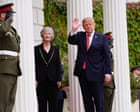
During an official visit to the Republic of Ireland, US President Donald Trump expressed enthusiastic support for a united Ireland, declaring he would "love" to see the nation unified. The American leader's remarks regarding Irish unification represent a significant intervention in what remains a deeply sensitive political matter on the island. Trump's position, articulated at the beginning of his two-day diplomatic tour, caught many observers off guard and immediately generated considerable controversy across political circles.
The President's comments about a united Ireland suggested that if reunification is inevitable, there seems little reason to delay the process. This perspective departed from traditional American diplomatic neutrality on such matters, signaling a more forthright stance than typically expected from sitting US administrations on internal British-Irish affairs.
Political Implications and Reactions
Trump's endorsement of Irish unification promptly triggered substantial pushback from official sources. The United Kingdom government swiftly responded to the American President's remarks, rejecting the characterization and reaffirming its constitutional position. Northern Ireland's unionist leadership also voiced strong objections, viewing the comments as an unwelcome interference in local political affairs. These rapid responses demonstrated the sensitivity surrounding any external commentary on Irish constitutional matters.
The intervention highlights ongoing tensions between those seeking Irish reunification and those committed to maintaining the current constitutional framework. Northern Irish unionists, particularly those concerned with maintaining the union with Britain, view such international endorsements as problematic influences on their region's political sovereignty. The swift condemnation from Belfast's political establishment underscored their protective stance regarding external involvement in internal Irish affairs.
Context of the Presidential Visit
Trump's two-day tour of Ireland provided the platform for these controversial remarks about Irish unification. The visit represented one of the few occasions when American presidential commentary directly addresses the question of Irish constitutional futures. The timing and context of these statements added weight to their political significance, as they came during an official state engagement rather than casual commentary.
The Irish government, while hosting the American President, maintained careful diplomatic positioning regarding his statements. Officials sought to balance their relationship with the visiting US leader while managing the political fallout from his unexpected intervention on constitutional matters. This delicate balancing act reflected Ireland's position as a nation deeply affected by these statements yet committed to maintaining strong transatlantic relations.
Historical Significance of American Intervention
American involvement in Irish affairs carries historical resonance given the substantial Irish-American diaspora and historical connections between both nations. Previous US administrations have generally maintained careful distance from directly endorsing constitutional changes on the island. Trump's willingness to break from this tradition suggests a different approach to diplomatic conventions and international relations.
The President's comments appear to reflect a view that Irish unification represents an inevitable historical development. By suggesting that if reunification will eventually occur, it may as well happen sooner rather than later, Trump presented a pragmatic argument disconnected from the political complexities and sensitivities involved. Such reasoning, while straightforward in its logic, overlooks the profound constitutional, cultural, and political dimensions of this ongoing debate.
Broader Political Landscape
The question of Irish unification remains contested across the island, with significant portions of Northern Ireland's population, particularly the unionist community, opposed to constitutional change. Opinion polls show complex and evolving views among Irish citizens regarding reunification timelines and frameworks. Internationally, commentary on this sensitive issue typically comes through careful diplomatic channels rather than direct presidential statements.
Trump's intervention represents an unusual departure from established diplomatic practice, potentially setting precedent for greater American presidential commentary on internal British-Irish constitutional matters. The reaction from both London and Belfast suggests that such direct involvement remains controversial and unwelcome among stakeholders committed to the current constitutional arrangement. Moving forward, the implications of this presidential stance may influence how future American administrations approach similar questions regarding international constitutional matters and national sovereignty issues.