UK and Caribbean Launch Formal Dialogue on Slavery Reparations
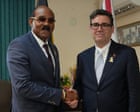
UK Commits to Slavery Reparations Dialogue with Caribbean Nations
The United Kingdom has committed to initiating structured dialogue with Caribbean nations regarding slavery reparations and the enduring consequences of the transatlantic slave trade. This significant development emerged from discussions at the Commonwealth heads of government meeting, where leaders from affected nations emphasized the urgency of addressing historical injustices through formal negotiations on slavery reparations.
Gaston Browne, the Prime Minister of Antigua and Barbuda, announced that a consensus had been reached among participating governments concerning the pathway forward on this critical issue. The agreement represents a pivotal moment in ongoing discussions about how former colonial powers should acknowledge and compensate nations devastated by centuries of forced labor and exploitation.
Commonwealth Summit Reaches Historic Consensus
The Commonwealth heads of government meeting served as the platform for this breakthrough understanding between the UK and Caribbean delegations. According to Browne, the discussions revealed substantial agreement on the need for meaningful engagement rather than dismissal of reparations claims. This consensus signals a shift in international dialogue, moving beyond rhetoric toward concrete action.
The structured dialogue framework is expected to commence within the forthcoming year, establishing a formal channel through which Caribbean nations can present their cases and negotiate potential remedies with the British government. This scheduled engagement represents recognition of the legitimate grievances held by nations whose economies and societies were fundamentally shaped by slavery and colonial exploitation.
Historical Context and Lasting Impact
The transatlantic slave trade profoundly altered the trajectories of Caribbean nations, generating immense wealth for European powers while decimating African populations and creating lasting socioeconomic disparities. Centuries after the formal abolition of slavery, Caribbean economies continue experiencing the consequences of this historical trauma, including systemic inequality, limited institutional development, and intergenerational poverty.
Nations such as Antigua and Barbuda, Jamaica, and others have long advocated for comprehensive reparations that acknowledge both the human suffering and the economic extraction that occurred during the colonial period. These reparations discussions encompass not merely financial compensation but also educational initiatives, cultural restoration, and structural reforms addressing contemporary inequalities rooted in historical injustices.
Structured Dialogue Framework
The proposed structured dialogue represents a departure from previous approaches, which often characterized reparations discussions as peripheral to mainstream political discourse. By establishing formal mechanisms and timelines, both the UK and Caribbean nations are signaling commitment to substantive engagement. This framework suggests that negotiations will proceed systematically, examining historical evidence, calculating potential compensation, and exploring complementary forms of redress beyond monetary payments.
The yearlong timeline provides adequate opportunity for comprehensive preparation from both sides. Caribbean delegations can consolidate their historical documentation and develop detailed proposals, while the UK can engage in internal consultations regarding potential responses. This structured approach increases the likelihood of productive discussions grounded in historical facts and mutually recognized principles.
International Significance
This agreement carries broader implications for postcolonial international relations and historical accountability. Other former colonial powers, including France, Spain, Portugal, and the Netherlands, face similar reparations demands from affected nations. The UK's willingness to engage in structured dialogue on slavery reparations may establish precedent for more comprehensive international engagement with colonial legacies.
The Commonwealth framework provides a unique institutional context for these discussions, as the organization comprises predominantly former British colonies navigating shared historical experiences. Strengthening this dialogue within Commonwealth structures potentially reinforces the organization's relevance and demonstrates capacity to address contemporary challenges rooted in historical injustices.
Moving Forward
As preparations commence for the forthcoming dialogue on slavery reparations, both British officials and Caribbean leaders have indicated seriousness regarding the engagement process. The consensus achieved at the Commonwealth summit suggests growing recognition that historical wrongs demand substantive contemporary responses. Whether this structured dialogue ultimately produces compensation, formal apologies, institutional reforms, or combinations thereof remains to be determined through the negotiation process ahead.