Royal Navy Faces Arctic Challenge: MPs Demand Urgent Submarine Strategy
Parliamentary Alarm Over Arctic Naval Capabilities
Members of Parliament serving on the defence select committee have raised serious concerns about the Royal Navy's capacity to effectively counter Russian military activities in Arctic regions. The Royal Navy submarines situation represents one of the most critical vulnerabilities in Britain's northern defense posture, according to recent parliamentary testimony and official reports submitted to Westminster.
The committee's assessment emphasizes that current Royal Navy operational capacity falls significantly short of what experts deem necessary to maintain effective deterrence against potential Russian aggression in contested Arctic territories. This capability gap threatens Britain's ability to project power and protect national interests in strategically vital northern waters.
Critical Shortfalls in Vessel Availability
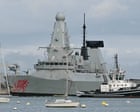
The defence select committee identified multiple areas of concern regarding fleet readiness and deployment capabilities. Among the most troubling findings is the documented case of HMS Dragon, which experienced substantial delays in its deployment to Cyprus during the spring months. This prolonged deployment timeline exemplifies broader maintenance and readiness challenges affecting the broader fleet.
Beyond surface vessel concerns, the committee expressed particular alarm regarding submarine operational status. During summer months, all five Astute-class attack submarines underwent simultaneous dock maintenance, leaving zero boats available for active patrol duties. This unprecedented situation underscores the precarious balance between maintenance requirements and operational availability that currently constrains naval operations.
Frigate Numbers Reach Historic Lows
Another dimension of the capability crisis involves frigate force structure. The defence committee documented a continuous decline in active frigate numbers available for deployment across global commitments. This reduction directly impacts the Royal Navy's capacity to maintain presence in multiple theatres simultaneously, including critical Arctic patrol zones where Russian activity has intensified.
The combination of fewer frigates and reduced submarine availability creates a compounded vulnerability. Naval strategists emphasize that Arctic operations demand specific capabilities and endurance requirements that cannot be adequately met with current resources. The committee warned that without immediate intervention, Britain's strategic position in northern waters will continue deteriorating.
Urgent Modernization Timeline Required
Committee members declared that dramatic progress must occur before the decade concludes. This timeline allows approximately six years for comprehensive improvements across multiple domains including vessel construction, maintenance infrastructure, crew training, and operational doctrine development.
The assessment suggests that achieving adequate deterrence capability requires simultaneous progress on several fronts. Investment in new submarine construction must accelerate while existing vessels receive modernization overhauls. Frigate procurement programs require acceleration, and maintenance facility capacity must expand to prevent future situations where entire submarine classes sit in dock simultaneously.
Strategic Implications for UK Defence
The committee's findings carry implications extending beyond immediate military readiness. Russia's Arctic activities have expanded dramatically over recent years, including submarine patrols, military exercises, and infrastructure development in northern regions. Britain's ability to monitor and respond to these activities depends critically on adequate naval resources.
Without sufficient Royal Navy submarines and surface vessels, the UK cedes initiative to adversaries in strategically significant waters. The committee emphasized that this situation contradicts Britain's stated commitment to maintaining global naval superiority and protecting critical sea lanes in northern regions.
Resource Allocation and Budget Pressures
Parliamentary scrutiny reveals that resource constraints fundamentally drive current capability shortfalls. The defence budget operates under significant pressures, requiring careful prioritization across multiple military domains. However, the committee argued that Arctic deterrence represents a sufficiently critical national interest to justify dedicated funding increases.
Current manning levels, maintenance schedules, and operational tempos cannot be sustained with existing resources while simultaneously meeting Arctic deployment requirements. The committee recommended that the government establish Arctic naval capabilities as a priority funding category within defence expenditure planning.
Path Forward for Naval Modernization
The committee outlined several specific recommendations for addressing identified deficiencies. First, accelerated procurement of additional submarines would reduce gaps between maintenance rotations. Second, expanded shipyard capacity would decrease docking timelines for maintenance and modernization work.
Third, enhanced crew training and recruitment programs would address manning challenges that currently restrict deployment options. Finally, technological upgrades to existing vessels would extend service lives and improve operational capabilities of aging platforms.
The defence committee's assessment makes clear that Britain's ability to maintain credible deterrence in Arctic waters during the coming decade depends on decisive action beginning immediately. Without urgent intervention, the Royal Navy's capability to counter Russian military activities in northern regions will continue declining, potentially undermining Britain's strategic position in a region of growing geopolitical importance.