Farage Absent from Budget Debate Over Commons Seating Dispute
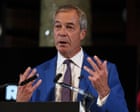
Farage's Absence from Budget Session
Nigel Farage, leader of Reform UK, chose not to attend the chancellor's budget presentation in Parliament, citing concerns over a potential Nigel Farage budget confrontation related to seating arrangements in the House of Commons. Instead of participating in the proceedings, the politician held a separate press conference following the session, where he outlined his party's positions on key financial matters affecting the nation.
The decision to skip the parliamentary event marked a notable moment during the legislative calendar, as Farage expressed apprehension about escalating tensions with fellow MPs regarding allocated Commons seats. This incident underscores ongoing disputes about parliamentary protocol and arrangement procedures.
Concerns Over Physical Confrontation
According to statements made by the Reform UK leader, his primary concern centered on the possibility of engaging in a physical altercation with another member of Parliament over the contentious seating issue. Rather than risk such an encounter in the chamber, Farage opted for an alternative approach, choosing to communicate his party's message through a press briefing held outside parliament.
This development reflects broader tensions that have emerged within Westminster regarding parliamentary decorum and the allocation of physical space. The Nigel Farage budget commentary he subsequently provided revealed his party's perspective on government spending priorities and economic policies, despite his physical absence from the debate floor.
Criticism of Ukraine Spending
During his press conference, Farage expressed significant concern regarding the government's financial commitment to Ukraine. He stated his shock at the announcement of £10 billion allocated to support Ukrainian efforts, describing this expenditure as a matter worthy of serious parliamentary scrutiny and public debate.
The Reform UK leader questioned whether such substantial resources directed toward international aid represented the most prudent use of government finances, particularly given domestic economic pressures facing British households. His commentary suggested that his party maintains reservations about the scale and prioritization of this funding commitment relative to other national needs.
Cryptocurrency Tax Policy Advocacy
Beyond his critique of Ukraine-related spending, Farage reiterated his party's position on tax treatment for cryptocurrency investors. Reform UK continues to champion policies designed to reduce tax burdens on those engaged in digital asset investments, viewing such measures as economically beneficial.
The party's stance reflects a broader commitment to creating favorable conditions for the cryptocurrency sector, which Farage and his colleagues argue could enhance Britain's competitiveness in emerging financial technologies. This position has formed a cornerstone of Reform UK's economic platform and represents a departure from mainstream party positions on crypto regulation.
Parliamentary Protocol Questions
The incident involving the seating dispute raises important questions about parliamentary procedures and how such matters should be resolved. The Nigel Farage budget session demonstrated that even fundamental aspects of Commons organization can generate considerable friction among members.
Such disputes, while perhaps appearing procedural on the surface, reflect deeper dynamics within Parliament regarding representation, visibility, and the physical manifestation of political hierarchy and influence. The manner in which various parties and their leaders are accommodated within the chamber carries symbolic weight beyond mere logistics.
Reform UK's Budget Response
Through his press conference statement, Farage ensured that Reform UK's perspective on the 2026 budget reached the public despite his physical absence from parliamentary debates. This approach allowed the party to control its messaging and frame key issues according to its priorities, rather than engaging in what might have been a heated parliamentary exchange.
The substance of Reform UK's response centered on fiscal responsibility, questioning government spending choices, and advocating for policies they believe better serve British economic interests. This positioning represents the party's attempt to distinguish itself from both the ruling government and other opposition parties on matters of budgetary allocation and financial priorities.
Broader Implications
Farage's decision carries implications for parliamentary engagement and debate culture. His absence from the budget session, while accompanied by alternative communication channels, raises questions about the nature of parliamentary participation and whether such informal responses adequately substitute for direct engagement in legislative proceedings.
The incident also highlights tensions that may persist regarding seating arrangements and parliamentary accommodation practices. How parliament addresses such disputes in future sessions may establish important precedents for managing similar disagreements and maintaining constructive working relationships among members of the chamber.