Women on small boats face exploitation, warns UK Home Secretary
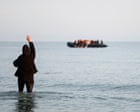
Home Secretary Raises Alarm Over Small Boats Women Asylum Crisis
Shabana Mahmood, serving as the UK's Home Secretary, has issued a stark warning regarding the plight of small boats women asylum seekers attempting to reach British shores. In her assessment, an alarming proportion of female migrants traversing the perilous journey from northern France across the English Channel experience sexual violence during their passage. This troubling statement highlights the severe vulnerabilities faced by vulnerable populations in transit.
The Scope of Sexual Exploitation in Small Boats Journeys
During an appearance on The Rest Is Politics podcast, Mahmood articulated the harrowing reality confronting small boats women asylum applicants. Her comments underscore the systematic nature of abuse perpetrated by criminal networks operating trafficking routes. The Home Secretary emphasized that these organized crime groups deliberately target individuals fleeing persecution, recognizing their desperate circumstances as exploitation opportunities.
The trafficking organizations behind these dangerous sea crossings employ sophisticated tactics to control and abuse migrants throughout their journeys. For small boats women asylum seekers particularly, the risks escalate exponentially due to gender-based vulnerabilities. Mahmood's public acknowledgment of this crisis represents an attempt to raise awareness about the human cost of unauthorized migration routes.
Trafficker Exploitation and Border Control
A critical element of Mahmood's argument centers on the relationship between border control policies and criminal trafficking networks. She warned that individuals who traffic asylum seekers will inevitably exploit any gaps in immigration enforcement. The Home Secretary suggested that decisions regarding who gains entry to the United Kingdom create conditions where traffickers operate with relative impunity.
According to Mahmood's perspective, traffickers profit from the demand created by restrictive immigration policies. When legal pathways remain limited, desperate individuals turn to illegal channels, enriching criminal enterprises that have no regard for migrant safety. This cycle perpetuates the victimization of small boats women asylum applicants, who bear the physical and psychological consequences of trafficking.
Political Opposition and Security Concerns
Beyond immigration matters, Mahmood addressed broader political concerns during her podcast interview. She characterized far-right extremist groups as existential threats to democratic governance and social stability. The Home Secretary claimed that balaclava-wearing activists associated with extremist movements would implement authoritarian measures if granted political power, potentially through violence or forced removal of political opponents.
Mahmood's comments reflect escalating tensions surrounding immigration policy and the rise of anti-immigration activism in the United Kingdom. She positioned her warnings as defenses of democratic values against those who would impose authoritarian solutions through intimidation or violence. The Home Secretary suggested that extreme political movements seek to fundamentally alter British society through coercive means.
Addressing Root Causes and Smuggling Networks
The Home Secretary's intervention suggests that tackling the small boats women asylum crisis requires multifaceted approaches targeting both supply and demand sides of trafficking operations. Disrupting smuggling networks remains essential, but Mahmood's comments imply that immigration policy itself requires examination. When legal migration routes prove inaccessible, vulnerable individuals increasingly depend on criminal networks.
International cooperation represents another crucial component in combating trafficking organizations that operate across borders. The sophisticated nature of modern smuggling enterprises demands coordinated law enforcement efforts spanning multiple nations. Mahmood's role involves coordinating such responses while simultaneously addressing the humanitarian dimensions of the crisis.
The Human Impact of Migration Routes
Statistics and official statements regarding small boats women asylum experiences remain contested, but Mahmood's public comments acknowledge the documented realities of abuse along migration routes. Medical organizations and human rights groups have documented extensive trauma among individuals completing dangerous sea crossings. Sexual violence represents one of the most severe documented harms.
For small boats women asylum seekers, the journey itself represents a form of institutional harm that governments theoretically could prevent through policy adjustments. Whether through enhanced legal pathways, humanitarian resettlement programs, or international agreements, alternatives exist to the status quo that forces vulnerable people toward traffickers. Mahmood's statements suggest recognition that current systems fail to protect those fleeing persecution.
Policy Implications and Future Directions
The Home Secretary's warnings carry implications for upcoming policy decisions regarding UK immigration enforcement and humanitarian obligations. Her comments suggest a government grappling with tensions between controlling borders and protecting vulnerable migrants. The acknowledgment of systematic abuse among small boats women asylum applicants creates pressure for policy responses.
Moving forward, the UK government faces pressure to demonstrate meaningful action addressing both trafficking networks and the conditions that drive migrants toward dangerous routes. Mahmood's public statements represent political recognition of these tensions, though converting rhetoric into effective policy solutions remains challenging. The crisis affecting small boats women asylum seekers will likely remain central to immigration debates throughout the coming years.



