UK's Future in Europe: Burnham Pledges Serious EU Dialogue
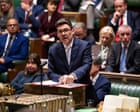
Prime Minister Opens Door to Deeper EU Engagement
In a significant statement on the UK's international strategy, Andy Burnham has committed to initiating a "serious dialogue" regarding the nation's positioning within Europe. The Prime Minister emphasized that the current UK EU relationship framework falls considerably short of optimal standards, framing the forthcoming Brussels summit scheduled for next month as a crucial opening move toward potentially transforming bilateral arrangements.
Burnham's announcement signals a potential watershed moment in post-Brexit relations, suggesting that Westminster is prepared to undertake comprehensive reassessment of European engagement parameters. His comments indicate the government views the existing arrangement as insufficient for meeting contemporary economic and social challenges facing the United Kingdom.
A Rational Assessment of Long-Term European Strategy
The Prime Minister advocated for a methodical, evidence-based evaluation of Britain's prolonged commitments to the European framework. Burnham stressed the necessity for the nation to conduct a "clear-eyed rational look" at its structural relationship with the European bloc, suggesting that such analysis could illuminate pathways toward accelerated economic expansion and more effective immigration management strategies.
This positioned approach indicates government willingness to reconsider previously established parameters. Rather than remaining constrained by historical negotiating positions, Burnham implied that Labour administration recognizes necessity for flexible, pragmatic dialogue centred on tangible national interests. The emphasis on rationality suggests technical analysis should supersede ideological considerations in shaping future policy architecture.
Economic Growth and Migration Control as Primary Drivers
Central to Burnham's reasoning are two interconnected policy objectives: stimulating economic performance and implementing immigration frameworks aligned with public expectations. The Prime Minister articulated that current UK EU relationship dynamics insufficiently address these challenges, implying that enhanced European integration could yield measurable improvements across both dimensions.
Economic growth considerations represent perhaps the most compelling motivation for Burnham's renewed engagement proposal. British policymakers have increasingly recognized that trade friction consequent to Brexit continues generating headwinds for productivity expansion and investment inflows. By reopening substantive dialogue regarding European positioning, Westminster signals recognition that previous negotiating settlements may require recalibration to optimize long-term prosperity indicators.
Transcending Traditional Labour Boundaries
Significantly, Burnham suggested that productive negotiations would likely necessitate revising Labour's established parameters. Previous Labour governments maintained clearly demarcated red lines regarding European involvement, particularly concerning sovereignty questions and institutional arrangements. The Prime Minister's recent statements indicate willingness to approach these historically sensitive issues with considerably greater flexibility.
This repositioning carries profound implications for future UK EU relationship trajectories. Rather than viewing European engagement as constrained by predetermined limitations, Burnham proposed treating such matters as legitimate subjects for ongoing reassessment. Such conceptual reframing potentially opens institutional pathways previously considered foreclosed by domestic political considerations.
Brussels Summit as Strategic Inflection Point
The forthcoming Brussels gathering assumes particular significance within this emerging policy framework. Rather than serving as routine diplomatic engagement, Burnham positioned next month's summit as potentially representing foundational negotiating sessions establishing parameters for substantively different UK European relationships. The Prime Minister's characterization suggested the gathering could inaugurate sustained dialogue processes aimed at systematic reconfiguration of bilateral and multilateral arrangements.
Trade Tensions Remain Complicating Factors
Despite Burnham's optimistic framing regarding dialogue possibilities, substantial obstacles persist. Trade friction between Britain and the European Union continues generating considerable tension across multiple economic sectors. These commercial disputes represent genuine impediments to relationship normalization, requiring sustained technical engagement and political accommodation to resolve satisfactorily.
The tensions underscore that rhetorical commitment to improved UK EU relationship dynamics must ultimately translate into concrete negotiating breakthroughs addressing specific trade barriers, regulatory harmonization mechanisms, and commercial framework adjustments. Without tangible progress on these technical dimensions, aspirational language regarding reset possibilities risks remaining merely aspirational rather than catalyzing substantive transformation.
Prospects for Gradual European Reintegration
Looking forward, Burnham's pronouncements suggest potential for gradual movement toward enhanced European involvement, potentially encompassing eventual EU membership consideration. While the Prime Minister circumscribed immediate expectations, his statements indicate government openness to exploring previously unthinkable possibilities regarding British-European institutional arrangements. The trajectory implied suggests willingness to pursue incremental integration steps rather than maintaining current status quo indefinitely.