UK Band Faces Singapore Ban After Palestine Display
British Musicians Prohibited From Returning to Asia-Pacific Nation
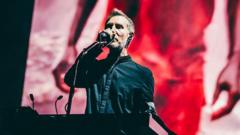
Massive Attack, the renowned UK band, has been formally banned from Singapore following a pro-Palestine demonstration during their concert performance. The musicians made the statement on Wednesday evening at their scheduled show in the city-state, resulting in immediate consequences from local authorities and venue operators.
The incident unfolded when members of the British group openly vocalized support for Palestinian causes during their live performance. This action triggered swift administrative action, with officials communicating that Massive Attack would not be welcomed back for future performances in Singapore. The ban represents a significant restriction on the band's ability to tour in the strategically important Southeast Asian market.
Details of the Concert Incident
During the Wednesday evening performance, the UK band Massive Attack made the controversial statement that prompted the response from Singaporean authorities. The demonstration occurred in front of an assembled audience at the venue, where concertgoers witnessed the band's political expression firsthand.
Witnesses reported that the band members were unambiguous in their messaging, clearly stating their position on the Middle Eastern conflict. This public declaration of political views at a commercial entertainment event crossed what local officials apparently considered acceptable boundaries for international performers operating within Singapore's jurisdiction.
Singapore's Response and Implications
The Singapore authorities' decision to ban Massive Attack reflects the nation's approach to managing political expression and public discourse. The city-state has maintained specific cultural and political standards that international artists must respect when performing within its borders.
This situation highlights the ongoing tension between artistic freedom and governmental restrictions in different countries. Artists traveling internationally must navigate complex regulations regarding what constitutes acceptable speech during performances. For Massive Attack, the Wednesday evening concert became a flashpoint in this broader discussion about musicians' rights to express political views.
Impact on International Tours
The Massive Attack ban from Singapore affects the band's ability to conduct comprehensive Asian tours. Singapore serves as a key venue for international musical acts seeking to reach audiences throughout the region. The prohibition effectively closes off one significant market for the UK band's future concert ventures.
Other international musicians and touring acts will likely monitor this situation closely. The Massive Attack incident establishes a precedent regarding political statements at concerts in Singapore, potentially influencing how other artists calibrate their performances when visiting the city-state.
Broader Context of Artist Political Expression
Throughout recent years, musicians have increasingly used their platforms to address geopolitical issues and social movements. The Massive Attack situation in Singapore demonstrates the varying degrees of tolerance for such expressions across different countries and regions.
While some nations encourage or tolerate political speech by performers, others maintain stricter parameters. Singapore's decision to ban Massive Attack underscores these international differences in regulating artist expression. The UK band's Wednesday statement became an immediate point of contention between artistic freedom and state authority.
Moving Forward
The Massive Attack ban remains in effect with no indication of reversal from Singaporean officials. The band faces the reality of being excluded from performing in the city-state indefinitely unless circumstances change significantly. This restriction will shape the band's touring strategy for Southeast Asia moving forward, potentially redirecting their focus to alternative venues and markets in the region that maintain more permissive policies regarding artist expression.


