UK Airlines Face Ban on Family Seating Charges
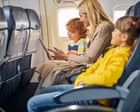
Government Moves to Eliminate Airline Seating Fees for Families
The UK government has announced sweeping new regulations that will eliminate airline seating charges designed to keep families together. Under these proposed rules, airline seating charges for parents wanting to sit alongside their children will become prohibited across all UK carriers. This marks a significant step in consumer protection within the aviation industry.
The initiative represents part of a broader campaign to tackle what officials describe as 'little charges that add up,' those incremental fees that airlines impose on passengers throughout the booking and travel process. Transport officials have identified family seating separation as a particularly controversial practice that disproportionately affects parents and guardians traveling with young passengers.
Key Details of the New Regulations
The proposed legislation would mandate that airlines automatically seat passengers under the age of 14 alongside their parents or accompanying adults at no additional cost. This requirement applies to all bookings made through UK carriers and international airlines operating flights from British airports.
Additionally, the new rules extend beyond seating arrangements. Passengers will no longer face charges when correcting minor errors or mistakes on flight bookings, such as misspellings of names or other clerical adjustments. Airlines must absorb these administrative correction costs rather than passing them to consumers.
Impact on Current Airline Practices
Currently, many airlines generate substantial revenue through seat selection fees, particularly when parents attempt to secure seats adjacent to their children. Some carriers charge between £15 and £30 per seat per flight for guaranteed family seating, effectively forcing parents to either pay premium prices or accept the risk of separation from their children during flights.
This practice has drawn increasing criticism from consumer advocacy groups, who argue that charging for basic family unity during air travel represents an unfair and exploitative business model. The government's intervention acknowledges these concerns and aims to establish minimum consumer protection standards across the aviation sector.
Broader Crackdown on Hidden Fees
The family seating prohibition forms part of a comprehensive review of airline pricing practices. Government officials have focused particular attention on what they term 'hidden charges'—fees that are not prominently displayed during the initial booking stages but accumulate significantly by the time passengers complete their purchase.
Beyond family seating and name corrections, regulators are examining other problematic fee structures, including charges for carry-on baggage, seat selection for standard bookings, and administrative processing fees. The objective is to create greater transparency and fairness in how airlines present their total pricing to consumers.
Implementation Timeline and Expectations
While the government has not announced a specific implementation date, industry sources suggest the regulations could take effect within the next 12 to 18 months. Airlines will be required to update their booking systems and policies to comply with the new requirements, a process that may necessitate significant technological and procedural changes.
Consumer groups have expressed cautious optimism about the proposed changes, viewing them as long overdue protections for families. However, some industry analysts suggest airlines may attempt to offset lost seating revenue through alternative pricing mechanisms or modest fare increases across all ticket categories.
Why This Matters for Travelers
For families traveling with children, these regulations represent tangible financial relief and improved travel experiences. Parents will no longer face the difficult choice between paying substantial fees or potentially being seated separately from their young children—a situation that creates both logistical challenges and parental anxiety during flights.
The broader implications extend beyond individual families. By establishing clear limits on airline fee practices, the UK government is signaling its commitment to protecting consumers from exploitative pricing while maintaining a competitive and sustainable aviation industry. This balanced approach aims to ensure airlines can continue operating profitably while treating passengers fairly.
The proposed legislation also sets a potential precedent for other regulatory bodies and governments considering similar protections, potentially influencing how international airlines structure their pricing policies across multiple markets.



