Shingles Vaccine Demand Surges as People Seek Dementia Protection
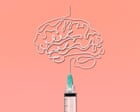
The Unexpected Connection Between Shingles Vaccine and Dementia Prevention
A medication primarily designed to prevent painful shingles rashes is now generating unprecedented interest for an entirely different reason: potential dementia protection. The shingles vaccine dementia connection has become a major talking point in health discussions, though scientific evidence remains promising yet inconclusive. This emerging interest is fueling a remarkable surge in vaccine uptake across the United Kingdom, with many individuals prioritizing inoculation based on cognitive health concerns rather than fears about the viral infection itself.
The phenomenon reflects a broader societal shift toward proactive health management, where individuals seek preventive interventions against age-related conditions. Medical professionals and pharmacy staff are witnessing firsthand how public perception of the shingles vaccine has evolved beyond its original purpose, transforming it into a symbol of dementia risk reduction strategies.
Understanding the Dementia Risk Reduction Theory
The theoretical link between shingles vaccination and dementia prevention stems from research suggesting that herpes zoster infection may contribute to cognitive decline in aging populations. Scientists theorize that by preventing shingles through vaccination, individuals might simultaneously reduce inflammatory responses associated with neurological degeneration. While this mechanism remains under investigation, preliminary findings have captured public imagination and influenced vaccination decisions among middle-aged and older adults.
The shingles vaccine dementia research community continues examining whether varicella zoster virus reactivation plays a role in neurodegenerative processes. Some epidemiological studies suggest correlations between herpes zoster history and subsequent dementia diagnoses, though causation has not been definitively established. Nevertheless, this scientific uncertainty has proven sufficient to motivate thousands of people to seek vaccination as a precautionary measure.
Personal Stories Driving Vaccination Demand
Jenny, a 50-year-old marketing and branding specialist from Cambridge, exemplifies this trend perfectly. With three of her four grandparents having suffered from dementia, she pursued the shingles vaccine with specific neurological protection objectives. Her decision reflects the emotional weight that dementia carries within families and the desperate desire to prevent experiencing similar cognitive decline. Jenny's case is representative of countless individuals who have witnessed dementia's devastating impact and view vaccination as a viable protective strategy.
Personal experiences with dementia profoundly influence vaccination choices among middle-aged adults. When family members have experienced progressive memory loss, confusion, and personality changes associated with dementia, relatives often become highly motivated to pursue any intervention that might reduce their own risk. The shingles vaccine dementia connection, whether definitively proven or not, provides hope and actionable steps for concerned individuals.
Pharmacy Industry Reports Rising Demand
Britain's high street chemists are experiencing unprecedented demand for shingles vaccination services. Pharmacy staff report that many clients explicitly mention dementia prevention when inquiring about or booking vaccine appointments. This shift in motivation has surprised many healthcare providers who expected shingles-related concerns to remain the primary driver of vaccination decisions.
The financial implications are substantial for private individuals. While the NHS provides shingles vaccination free to eligible populations, most adults under 65 must pay approximately £450 for the complete two-dose vaccination series. Despite this considerable expense, pharmacies continue reporting strong booking rates, indicating that individuals genuinely believe the investment worthwhile for potential dementia protection.
NHS Eligibility and Access Considerations
Current NHS shingles vaccination programs target specific age groups and individuals with particular medical conditions. Free vaccination through the NHS is typically available for people aged 65 and over, as well as certain immunocompromised individuals. Those outside these categories must arrange private vaccination through pharmacies and clinics at personal expense.
The disparity between free and paid access creates an interesting dynamic within vaccination uptake patterns. Wealthier individuals have greater capacity to fund private vaccination regardless of NHS eligibility, while socioeconomic factors may limit access for others concerned about dementia risk reduction. This access inequality raises important public health questions about preventive medicine distribution and cognitive health equity.
The Science Behind the Hypothesis
Research into herpes zoster and dementia risk has produced intriguing but inconclusive results. Some studies suggest that individuals with shingles history demonstrate elevated dementia risk compared to those without infection history. However, researchers cannot definitively determine whether varicella zoster virus directly causes cognitive decline or whether underlying immune system vulnerabilities predispose individuals to both conditions.
The inflammatory response triggered by herpes zoster reactivation may theoretically contribute to neuroinflammation associated with Alzheimer's disease and other dementia forms. By preventing viral reactivation through vaccination, individuals might theoretically reduce cumulative neuroinflammatory burden. However, this mechanism requires substantial additional research before claiming conclusive protective benefits.
Future Research Directions
Medical researchers are increasingly prioritizing investigation into potential dementia prevention through shingles vaccination. Longitudinal studies tracking vaccinated and unvaccinated populations will provide crucial data regarding actual cognitive outcomes over extended periods. These studies may ultimately confirm, refute, or modify current hypotheses about the shingles vaccine dementia relationship.
Public health authorities continue monitoring vaccination trends and safety profiles while research proceeds. If substantial evidence eventually confirms dementia prevention benefits, vaccination recommendations may shift dramatically, potentially making the shingles vaccine a cornerstone of cognitive health maintenance strategies across all age groups. Until such confirmation emerges, individuals must evaluate available evidence and make personalized decisions based on their risk factors and priorities.



