Save the Children Faces Regulatory Warning Over Yemen Staff Safety
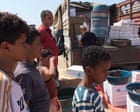
Save the Children Yemen: Regulatory Warning Issued
Save the Children Yemen operations have come under official scrutiny as the Charity Commission for England and Wales has issued a formal regulatory warning to the international humanitarian organization. The warning concluded a comprehensive two-year investigation into serious management failures and misconduct that placed personnel at the Yemen office in significant peril.
The enforcement action by the Charity Commission represents a significant development in accountability for Save the Children Yemen programs. The investigation examined systemic issues within organizational leadership that compromised worker safety protocols and created dangerous conditions for staff members operating in one of the world's most volatile regions.
Investigation Background and Timeline
The two-year inquiry was triggered by circumstances surrounding the death of Hisham Al-Hakimi, who served as the safety and security director at Save the Children's Yemen operation. Al-Hakimi died in October 2023 following detention by Yemeni authorities. His death catalyzed regulatory authorities to examine broader questions about how the organization managed risk, protected personnel, and maintained compliance with governance standards.
The Charity Commission's decision to launch an investigation reflected heightened concerns about whether adequate safeguards existed to protect employees working in conflict-affected environments. Yemen's humanitarian crisis and political instability create inherently challenging conditions for international organizations, yet regulatory bodies maintained that proper institutional frameworks should mitigate additional organizational risks.
Key Findings in the Regulatory Warning
The official warning document identified multiple areas of concern regarding Save the Children Yemen's operational management. The investigation concluded that management failures created an environment where staff members faced heightened vulnerability to security threats that could have been prevented through better institutional practices.
Misconduct findings suggested that organizational decision-making processes did not adequately prioritize personnel safety. The Charity Commission determined that leadership structures and oversight mechanisms were insufficient to ensure compliance with duty-of-care obligations toward employees stationed in dangerous locations.
The regulatory action specifically addressed how the Yemen office operated with inadequate security protocols, insufficient risk assessments, and deficient communication channels between headquarters and field operations. These systemic gaps meant that staff members working in Yemen lacked comprehensive protection frameworks that international organizations operating in conflict zones should maintain.
Impact on Save the Children Operations
Save the Children Yemen programs serve vulnerable populations including children and families affected by ongoing conflict and humanitarian emergencies. The regulatory warning raises questions about operational continuity and whether the organization can maintain effective service delivery while addressing governance deficiencies.
The warning does not automatically suspend the organization's charitable status, but it represents formal regulatory disapproval and creates requirements for remedial action. Save the Children must demonstrate compliance improvements and implementation of corrective measures to address identified failures.
Regulatory Framework and Accountability
The Charity Commission for England and Wales holds responsibility for overseeing registered charities operating within its jurisdiction. The issuance of an official warning represents escalated enforcement action beyond routine monitoring, signaling serious concerns about organizational governance.
Charities operating internationally, particularly in conflict-affected regions, face complex regulatory expectations. Organizations must balance operational effectiveness with rigorous safety standards, financial transparency, and governance compliance. The Save the Children Yemen case illustrates how international humanitarian work intersects with regulatory accountability frameworks.
Staff Safety and Organizational Responsibility
Personnel safety represents a fundamental organizational responsibility, particularly for agencies operating in high-risk environments. The investigation findings suggest that Save the Children Yemen did not adequately operationalize this commitment through concrete protective measures and institutional practices.
International humanitarian organizations face pressure to maintain operational presence in crisis zones where conventional safety can rarely be guaranteed. However, the Charity Commission's findings indicate that additional organizational measures should be implemented to reduce risks within organizational control, including communication protocols, security assessments, and management oversight.
Response and Future Implications
The regulatory warning establishes formal requirements for Save the Children to implement remedial actions. The organization must demonstrate substantive improvements in governance, safety protocols, and management practices overseeing Yemen operations and similar international programs.
This enforcement action carries implications for Save the Children Yemen's reputation, donor relationships, and operational capacity. The organization faces pressure to address identified deficiencies while maintaining humanitarian commitments to vulnerable populations dependent on its services.
The case also reflects broader discussions within the international humanitarian sector regarding organizational accountability, personnel protection standards, and regulatory oversight of charities operating in complex emergency environments.