Magazine Covers: What Michael B Jordan and Tom Cruise Tell About Modern Masculinity
Magazine Covers and the Evolution of Masculinity
The recent magazine covers featuring prominent Hollywood actors have sparked important conversations about how masculinity is portrayed in contemporary media. Magazine covers masculinity continues to evolve, as evidenced by the contrasting images of these two celebrated performers appearing simultaneously on high-profile publications. These visual representations offer valuable insights into current cultural attitudes toward male identity and self-presentation in the entertainment industry.
Two Iconic Actors, Two Different Approaches
Michael B Jordan and Tom Cruise represent distinct generations within Hollywood's elite circle of action stars. Both have built legendary careers on performing their own dangerous stunts and commanding substantial box-office success. However, their recent magazine appearances showcase markedly different interpretations of contemporary male appeal and aesthetic presentation.
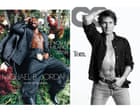
Tom Cruise's appearance on the cover of GQ marks a significant milestone—his first feature for the magazine in two decades. At 64 years old, the legendary actor presents himself with deliberate styling choices. Photographed in an unbuttoned shirt with one hand casually running through his hair while the other grips his belt buckle, Cruise embodies a calculated portrayal of sensuality and confidence. This composition deliberately emphasizes physicality and allure, creating what can be described as the contemporary image of desirable masculinity.
In contrast, Michael B Jordan's simultaneous appearance on Vogue presents an alternative vision of male representation. His positioning on one of fashion's most prestigious platforms signals a broader acceptance of male celebrities engaging with fashion-forward imagery traditionally associated with other demographics.
What These Magazine Covers Reveal About Contemporary Masculinity
The appearance of both actors on major magazine covers arrives at a particularly significant moment in cultural discourse. Masculinity has increasingly dominated headlines and social conversations across various platforms. These editorial choices by GQ and Vogue reflect deeper shifts in how media institutions define and celebrate male identity.
Tom Cruise's GQ cover emphasizes traditional markers of masculine appeal—physical presence, sensuality, and confidence rooted in decades of established stardom. The unbuttoned shirt and casual yet deliberate poses communicate comfort with bodily display and self-assured sexuality. This approach aligns with longstanding conventions of male celebrity imagery, where physical attributes and assertive body language convey power and desirability.
Michael B Jordan's feature, appearing simultaneously in a different aesthetic context, presents an expanded definition of masculine representation. Fashion magazines increasingly feature male celebrities in ways that embrace visual experimentation, styling sophistication, and diverse modes of self-presentation beyond traditional action-hero imagery.
The Broader Conversation About Male Identity in Media
These magazine cover moments occur within a larger cultural landscape where definitions of masculinity face continuous examination and redefinition. Entertainment and fashion publications serve as powerful forces in shaping public perception of male identity and beauty standards. The choices these magazines make about which images to feature and how to frame male celebrities communicate implicit messages about acceptable or desirable forms of masculinity.
The simultaneous appearance of Cruise and Jordan on major publications suggests that contemporary media increasingly accommodates multiple expressions of male identity. Rather than adhering to singular definitions, current cultural representation acknowledges that masculinity can encompass various presentations and aesthetic choices.
Celebrity Representation and Cultural Influence
Both actors occupy positions of significant cultural influence through their extensive filmography and public visibility. Their magazine appearances extend beyond simple promotional activities—they function as cultural texts that audiences interpret and absorb. The styling choices, photographic compositions, and editorial framing collectively construct narratives about desirable or acceptable male presentation.
The timing of these features appears deliberate from an editorial perspective. Presenting contrasting yet equally celebrated male figures side-by-side allows audiences to consider multiple frameworks for understanding contemporary masculinity. Neither representation presents itself as the sole or superior definition of male identity; instead, both coexist within the same media moment.
Implications for Entertainment Industry Standards
As Hollywood continues evolving its relationship with diversity and inclusion, magazine covers serve as visible indicators of changing industry values. The willingness of major publications to feature established male stars in varied contexts—whether emphasizing traditional masculine aesthetics or fashion-forward presentation—demonstrates expanding boundaries for male celebrity representation.
These editorial decisions also influence broader cultural conversations about male beauty standards, self-care, and self-expression. When influential celebrities appear in thoughtfully styled magazine features, audiences receive permission to explore diverse modes of personal presentation regardless of gender identity.
The appearance of both Michael B Jordan and Tom Cruise on magazine covers this week exemplifies how contemporary media grapples with evolving definitions of masculinity and male representation, creating important cultural moments that extend far beyond entertainment industry news.