Birmingham Council Wins Interim Ban on Union Jack Flag Displays
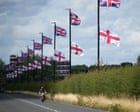
Court Issues Interim Ban on Union Jack Flags in Birmingham
An interim ban on union jack flags has been granted to Birmingham city council following a high court ruling that restricts the campaign group Raise the Colours from displaying flags on public street furniture. The temporary injunction, issued by high court judge Emma Kelly on Wednesday, prevents the placement of any flags on council-owned lamp-posts, roundabouts, and other street infrastructure without formal permission from local authorities.
Legal Victory for Birmingham City Council
The interim ban represents a significant legal victory for Birmingham city council in its ongoing dispute with Raise the Colours. High court judge Emma Kelly's decision establishes clear restrictions on flag placement activities across the city's municipal property. The ruling specifically targets the practice of attaching union jacks to public street furniture without authorization, addressing concerns about unauthorized use of council-owned assets.
Details of the Court Order
The interim injunction issued by high court judge Emma Kelly applies comprehensively to all flags placed on council-owned street furniture throughout Birmingham. This includes lamp-posts, roundabouts, traffic signals, and other public infrastructure managed by the local authority. The order mandates that any future flag displays must receive prior written permission from Birmingham city council before installation.
Implications for Raise the Colours
Raise the Colours, the campaign group behind the flag placement initiative, is now subject to strict legal limitations on its activities. The interim ban prevents the organization from continuing its previous practice of independently installing union jacks on public structures without council approval. This temporary restriction remains in effect pending further legal proceedings and final determination of the underlying dispute.
Background to the Dispute
The conflict between Raise the Colours and Birmingham city council stems from differing views regarding the appropriateness and legality of unsanctioned flag displays on municipal property. The campaign group had been systematically placing union jacks on lamp-posts and roundabouts throughout Birmingham as part of its broader mission. Birmingham city council contended that these activities constituted unauthorized use of public assets and violated local regulations governing street furniture.
Council's Legal Challenge
Birmingham city council pursued legal action to establish its authority over street furniture and prevent unauthorized flag installations. The council argued that allowing unrestricted flag placement would set a problematic precedent and undermine its ability to manage public infrastructure appropriately. The high court's decision to grant an interim ban validates the council's position and provides temporary relief while the full legal case proceeds.
What the Interim Injunction Means
An interim injunction represents a preliminary court order issued to maintain the status quo pending final resolution of a legal dispute. In this case, the interim ban on union jack flags and other flag displays serves to prevent further unauthorized installations while the broader case develops. The order reflects the high court judge's assessment that Birmingham city council has demonstrated sufficient grounds for temporary legal relief.
Implementation and Enforcement
Birmingham city council will be responsible for enforcing the interim ban on flags placed on council-owned street furniture. Any violations of the court order could result in contempt of court proceedings and additional legal consequences for Raise the Colours or individuals involved in non-compliant flag placement activities. The enforcement mechanism ensures that the interim ban carries legal weight and consequences.
Future Legal Proceedings
The interim ban issued by high court judge Emma Kelly represents only the first stage of the legal process. The full case between Birmingham city council and Raise the Colours is expected to continue through the courts. The ultimate outcome will determine whether the temporary restrictions become permanent and establish broader legal principles regarding flag displays on public property throughout the jurisdiction.
Broader Policy Questions
Beyond the specific dispute, the case raises important questions about public expression, property rights, and local authority governance. The interim ban on union jack flags reflects tensions between grassroots activism and municipal regulation of public spaces. The final judgment may establish important precedents affecting future flag display policies and campaigns in Birmingham and potentially other local authorities.
Response and Reaction
The high court's decision to issue an interim ban on flags has generated significant attention from various stakeholders. Birmingham city council expressed satisfaction with the ruling, viewing it as vindication of its position that council-owned street furniture requires administrative oversight. The interim injunction provides the council with legal authority to prevent further unauthorized installations pending final resolution of the underlying dispute.
The interim ban on union jack flags represents a significant development in the conflict between Birmingham city council and Raise the Colours. As the legal proceedings continue, the decision establishes that unauthorized flag placement on council-owned street furniture is subject to court-ordered restrictions, fundamentally shaping how such activities can proceed in the future.