BA Flight Mayday: Passenger Recounts Terrifying Moments During Emergency Landing
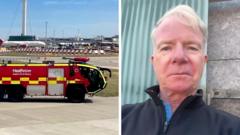
Passenger Accounts of the BA Flight Mayday Crisis
The BA flight mayday incident that occurred earlier this month has left passengers with indelible memories of one of aviation's most frightening moments. Edward Killiwick, who was aboard the aircraft when it issued the distress call, has provided detailed accounts of the harrowing experience that unfolded at 35,000 feet before the successful emergency landing at London Heathrow Airport.
Killiwick's testimony sheds light on the human impact of aviation emergencies, revealing the emotional toll experienced by those on board during critical situations. His recounting of events provides a window into how passengers react when faced with genuine aircraft emergencies and the psychological pressure that builds during such crises.
The Moments of Maximum Panic
During the BA flight mayday event, passengers experienced moments of intense fear as the crew worked to manage the technical situation. Killiwick describes hearing desperate cries from fellow travelers, including someone shouting "I don't want to die"—a visceral reaction to the uncertainty surrounding the aircraft's condition and the outcome of the emergency descent.
The tension aboard the aircraft was palpable as passengers grappled with the reality of the situation. Many had no information about what was happening, leaving them to rely on crew announcements and their own interpretations of unusual aircraft movements and sounds. This informational vacuum intensified the psychological distress experienced by those in the cabin.
Professional Crew Response During the Emergency
Throughout the BA flight mayday situation, the flight crew maintained professional composure while managing both the technical emergency and the emotional state of passengers. Their training and preparation for such scenarios became evident as they guided the aircraft through procedures designed to manage the problem safely.
The crew's calm demeanor, despite the seriousness of the situation, helped stabilize the cabin environment and provided reassurance to frightened passengers. Their actions during this critical period directly contributed to ensuring all occupants remained as safe as possible while the emergency was being resolved.
The Successful Landing at Heathrow
The BA flight mayday call concluded with a successful landing at London Heathrow Airport, one of the world's busiest aviation hubs equipped with advanced emergency response capabilities. The aircraft touched down safely, and all passengers and crew members disembarked without serious injuries, marking the positive resolution of what had been a terrifying ordeal.
Emergency vehicles and medical personnel were positioned at the airport to respond to any potential injuries, demonstrating the coordinated response protocols that British aviation authorities have in place for such situations. The preparation and readiness of ground services played an important role in ensuring the safe conclusion of the incident.
Impact on Passengers and Recovery
For Edward Killiwick and other passengers aboard the BA flight mayday situation, the experience has left lasting impressions. Many have reported struggling with anxiety related to air travel following the incident, while others have found the experience manageable with perspective on the successful outcome.
The incident serves as a reminder of the rigorous safety systems embedded in commercial aviation. Despite the terrifying moments experienced by passengers, modern aircraft design and pilot training ensure that even serious emergencies can typically be managed without catastrophic outcomes. The British Airways incident exemplifies how multiple safety layers work together to protect passengers during critical situations.
Understanding Aviation Safety During Emergencies
Aviation experts emphasize that mayday declarations, while dramatic-sounding, represent a standardized communication protocol rather than a definitive indicator of imminent disaster. The BA flight mayday was an appropriate response to the technical situation the aircraft experienced, and pilots are trained to declare emergencies well before situations become unmanageable.
Passengers like Killiwick often find reassurance in understanding that the emergency declaration actually reflects the professionalism of the flight crew in communicating the situation to air traffic control. This transparent communication enables ground personnel to provide optimal support and ensure the best possible outcome for the emergency situation unfolding in the sky.