Advanced Microscope Technology Offers Hope for IBD Treatment Discovery
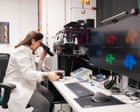
Revolutionary Microscope Technology Brings New Hope for Inflammatory Bowel Disease
A groundbreaking advancement in microscopy technology is offering researchers unprecedented opportunities to unlock the mysteries of inflammatory bowel disease treatment. This innovative approach could fundamentally transform how scientists understand and address debilitating bowel conditions affecting millions worldwide. The revolutionary imaging capabilities represent a significant leap forward in the quest to develop effective therapies for patients suffering from these chronic illnesses.
Understanding the Growing Crisis of Bowel Diseases
The prevalence of incurable bowel disorders continues to rise at an alarming rate among younger populations across the globe. According to the British Society of Gastroenterology, more than half a million individuals throughout the United Kingdom are currently managing inflammatory bowel disease in their daily lives. This substantial patient population faces significant challenges, as two primary manifestations dominate the landscape: Crohn's disease and ulcerative colitis.
Both conditions present severe complications that substantially impact quality of life, making the search for innovative treatment solutions increasingly urgent. Healthcare professionals and research institutions recognize that current therapeutic options remain limited, necessitating fresh approaches to disease management and potential cures.
The Curie Microscope: A Game-Changing Technology
Scientists have developed an extraordinary imaging instrument known as 'Curie,' which operates at a remarkable resolution level ten times superior to conventional microscopy systems. This extraordinary capability enables researchers to examine biological structures at unprecedented detail, revealing intricate mechanisms that remained invisible using traditional technology. The enhanced visualization potential opens entirely new avenues for understanding disease pathology at the cellular and molecular levels.
The advanced microscope represents years of collaborative effort among leading researchers and engineering specialists dedicated to pushing the boundaries of medical science. Its sophisticated design incorporates cutting-edge optical components and computational analysis systems that work synergistically to produce crystal-clear images of tissue samples and cellular structures.
Potential Breakthrough Discoveries Ahead
Researchers maintain optimistic expectations that this powerful microscope will facilitate discoveries leading directly to novel therapeutic approaches for inflammatory bowel disease treatment. By examining affected tissues with unprecedented clarity, scientists can identify previously unknown cellular behaviors, inflammatory mechanisms, and genetic factors contributing to disease development and progression.
The enhanced resolution capabilities may reveal the fundamental root causes underlying both Crohn's disease and ulcerative colitis, information that has eluded researchers using conventional methodologies. Understanding these underlying mechanisms could prove essential for developing targeted interventions that address disease pathology more effectively than current treatment protocols.
Implications for Patient Care and Future Treatment Options
The potential applications of this advanced microscopy technology extend far beyond basic scientific research. Discoveries facilitated by the Curie microscope could directly translate into clinical improvements for the hundreds of thousands of patients living with inflammatory bowel disease. These individuals desperately need more effective therapeutic options that can provide better disease management, improved quality of life, and potentially permanent remission or cure.
Medical institutions worldwide are watching this research development with considerable interest, recognizing its potential to revolutionize treatment approaches for both Crohn's disease and ulcerative colitis. The collaborative international research community stands ready to leverage new insights generated through this technology to accelerate the pace of therapeutic innovation.
Scientific Community Collaboration and Future Research Directions
This remarkable advancement reflects the commitment of the international scientific community to addressing one of modern medicine's most challenging problems. Researchers from multiple institutions and disciplines are collaborating to maximize the potential of this advanced imaging technology. Their combined expertise spans microbiology, immunology, gastroenterology, and advanced physics, ensuring comprehensive investigation of inflammatory bowel disease mechanisms.
As researchers continue their investigations using the Curie microscope, the medical and scientific communities anticipate landmark discoveries that could reshape our understanding of IBD. These findings may ultimately provide the breakthrough needed to develop curative treatments for the millions suffering from these debilitating chronic conditions worldwide.